
.png)

What is a renewable energy aggregator?
Until the end of the 1990s, the French electricity market was centralized and highly regulated. Producers sold their energy in a managed environment, with little exposure to market mechanisms.
The gradual opening up to competition, driven by European directives, has profoundly transformed this model. Producers had to access wholesale markets, manage price volatility, and meet balance obligations in real time.
Today, on the electricity market, renewable energy producers must face a complex reality: variable prices, regulatory obligations, real-time balance between production and consumption.
It is in this context that the renewable energy aggregator comes into play. But in concrete terms, what is its role? Why has it become a central player in the electricity market? And above all, what does it change for a hydro, solar or wind producer? Bohr Energie explain to you.
Definition of an aggregator
A renewable energy aggregator (EnR) is an actor that combines the production of several installations (wind turbines, photovoltaic, hydroelectric, biomass, etc.) in order to optimize their valorization on the electricity markets, in particular the wholesale market and adjustment mechanisms
Rather than each power plant operating alone, the aggregator pools energy volumes, ensures the balance between production and consumption, manages production forecasts and takes care of the marketing of electricity under the best conditions. Thanks to this centralized management, it reduces differences, secures producers' incomes and maximizes the value of the energy sold according to market conditions.
Why is aggregation necessary?
The electricity market operates in real time. Every second, production must correspond exactly to consumption. In France, this balance is ensured by RTE, the electricity transmission system operator, which ensures the stability of the system and activates adjustment mechanisms if necessary..
When a producer injects into the network a volume of electricity that is different from its forecasts, a balance gap is generated. These differences, whether up or down, can lead to financial penalties and a deterioration in the profitability of installations.
A producer operating alone faces several constraints:
- Limited or indirect access to electricity markets
- Difficulty following the evolution of prices hour by hour
- Reduced ability to absorb risks associated with balance differences
- Lack of tools for forecasting and optimizing production
- Regulatory and administrative complexity of market mechanisms
The aggregator precisely secures and optimizes this valuation.
How does an aggregator work?
- Transform individual production into an optimized collective strategy.
The role of a renewable energy aggregator (EnR) consists above all in integrating an isolated power plant into a collective logic in order to improve its economic performance on the electricity market. - Build a multi-asset portfolio to pool risks.
The aggregator brings together several power plants (hydroelectric, wind, wind, solar, biomass) within the same perimeter. This sharing makes it easier to absorb natural variations in production, often linked to weather conditions, and to reduce individual exposure to risk. By combining different technologies and geographical sites, the aggregator stabilizes the flow of electricity injected into the network. - Access markets and optimize valuation.
Once the portfolio is structured, the aggregator intervenes directly in the electricity markets. It analyzes prices in real time and selects the most appropriate strategies: selling on the spot market, participating in the adjustment mechanism, setting up PPAs or fixed price contracts according to the producer's profile. - Assume responsibility for balance.
The aggregator forecasts the production of partner power plants and guarantees that the electricity injected corresponds to the commitments made on the network. In the event of a discrepancy between forecast and actual production, it ensures financial and technical management, within the regulatory framework defined by RTE. - Optimize continuously in a volatile market.
Finally, the aggregator constantly adjusts its strategies according to the evolution of prices on the markets, regulatory constraints and optimization opportunities, with a constant objective: to secure and maximize the profitability of producers.
Concrete example
Let's take an independent hydroelectric power plant. If it sells its electricity alone, it must manage access to the market, monitor prices in real time and assume the differences between planned and actual production. It therefore bears volatility and financial risk alone, which can limit its income and its visibility on the market.
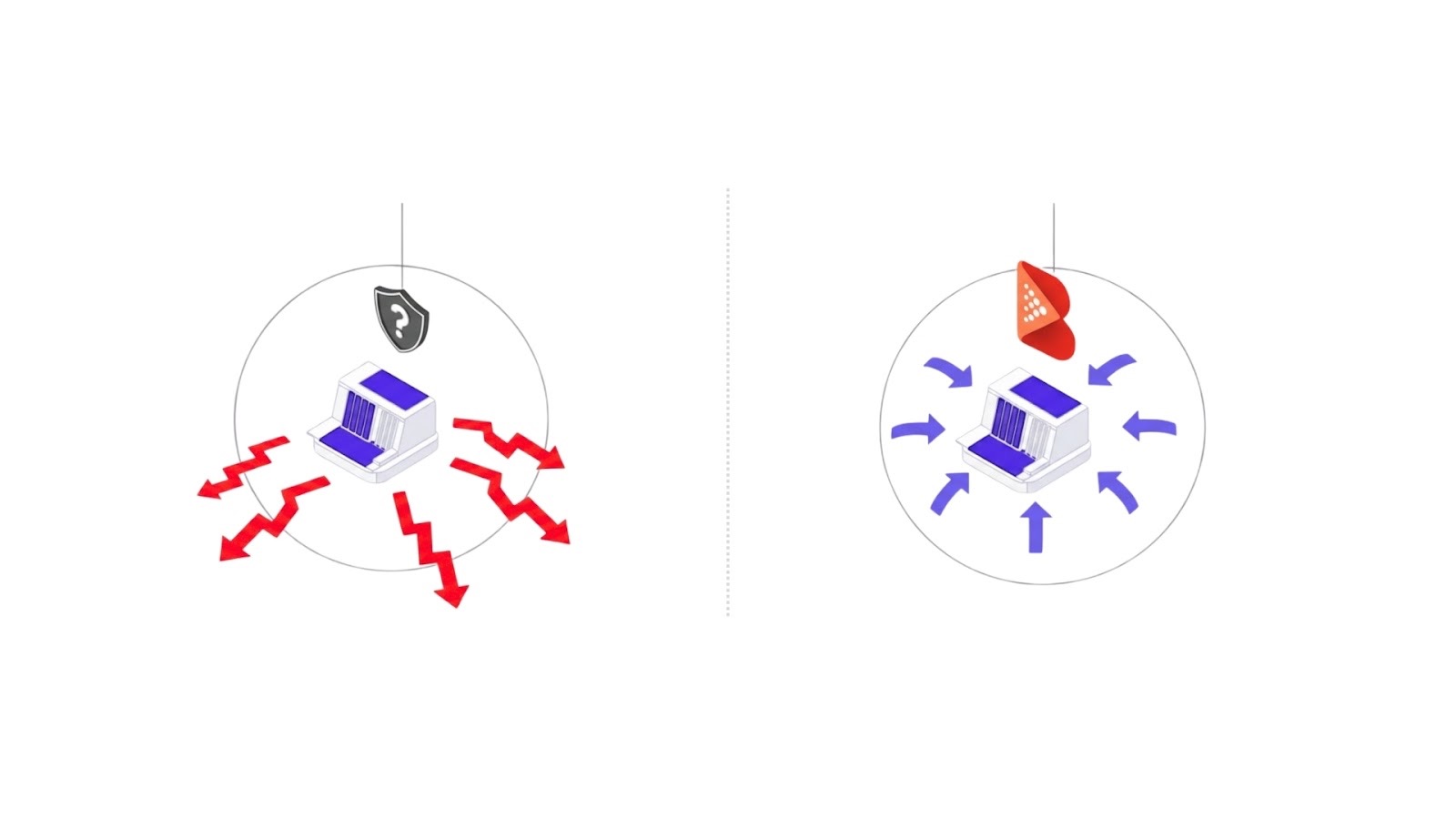
Using an aggregator, its production is integrated into a portfolio of diversified installations. The advantages are multiple:
- Pooling risks : variations in production are compensated within the portfolio, reducing individual exposure.
- Optimizing the sales strategy : the aggregator chooses the best channel (spot market, adjustment mechanism, PPA, fixed price contracts) according to market conditions.
- Simplified regulatory management : the aggregator ensures compliance with obligations vis-à-vis RTE and takes care of the compensation of discrepancies.
Result : Better visibility, fewer risks and optimal valorization of the energy produced.
Are you a renewable energy producer?
Let's study together the valorization of your production.